Black Women in Wine: Breaking Barriers from Napa to Istanbul
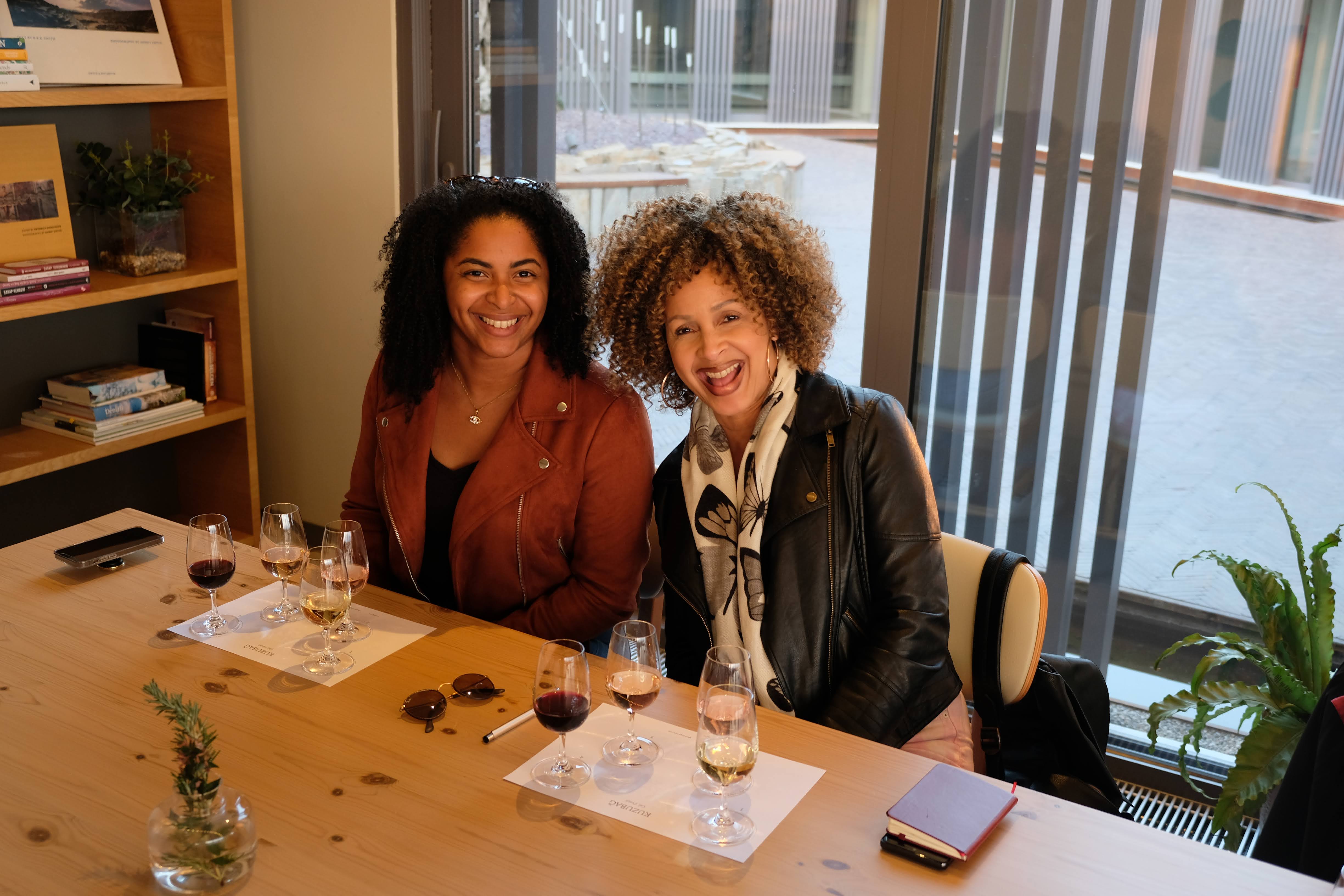
The wine industry has long projected an image of exclusivity, one built on generational wealth, European tradition, and a very narrow definition of who belongs. For Black women navigating this space, the barriers have been steep: limited access to capital, sparse mentorship networks, and an industry culture that often treats diversity as an afterthought. Yet Black women are not waiting for permission. They are building wineries, launching brands, earning advanced certifications, and, in our case, importing wines from some of the world's most exciting regions.
This is not a story about overcoming obstacles for the sake of inspiration. It is a story about the state of the wine industry, where it falls short, and where Black women are actively reshaping its future.
A Brief History of Black Women in American Wine
The contributions of Black Americans to wine stretch back centuries, though those contributions have been systematically erased from the mainstream narrative. Enslaved people tended some of the earliest vineyards in Virginia and the Carolinas. Black workers played essential roles in California's wine boom during the late 19th and early 20th centuries. But ownership, recognition, and credit were reserved for others.
It was not until the late 20th century that Black women began carving visible paths in wine. In the 1990s and 2000s, pioneers started appearing in winemaking, sommeliers earned advanced certifications, and a small but growing number of Black women began launching their own labels.
The Modern Trailblazers
Several Black women have become household names in wine circles, and their stories deserve recognition.
Robin and Andrea McBride founded McBride Sisters Wine, which has grown into the largest Black-owned wine company in the United States. Their story is remarkable: two sisters, raised on different continents, who discovered each other as adults and united around a shared love of wine. Their success proved that Black women could build not just boutique labels but scalable, nationally distributed wine brands.
Fawn Weaver took a different approach. After discovering the untold story of Nathan "Nearest" Green, a formerly enslaved man who taught Jack Daniel how to make whiskey, Weaver launched Uncle Nearest Premium Whiskey and later expanded into wine. Her work has been as much about reclaiming history as it has been about building a spirits and wine empire.
Tahiirah Habibi founded The Hue Society, creating community spaces for wine enthusiasts of color. Her work addresses one of the most persistent challenges in the industry: the feeling of not belonging that many Black consumers and professionals experience in wine spaces.
These women, along with dozens of others, have shifted the conversation. But representation remains thin, and the structural challenges persist.
The Numbers Tell a Stark Story
Data on racial diversity in the wine industry is limited, which is itself part of the problem. However, the research that does exist paints a clear picture.
According to studies published by the Wine Industry Network and research conducted by diversity-focused organizations, Black professionals represent roughly 2% of the U.S. wine workforce. At the ownership level, the numbers are even smaller. Black-owned wineries, wine brands, and import companies collectively represent a fraction of a percent of the industry.
For Black women specifically, the challenges compound. Gender and racial bias intersect in ways that create unique obstacles. Access to capital is more difficult. Networking opportunities, which in wine often revolve around country clubs, exclusive tastings, and legacy connections, are harder to access. And the cultural messaging of the industry itself, from marketing imagery to editorial coverage, has historically centered whiteness.
Why These Numbers Matter
Representation is not just about fairness (though fairness matters). It is about the quality and diversity of wine itself. When the industry is dominated by a single demographic, the wines that get imported, distributed, promoted, and placed on restaurant lists tend to reflect a narrow set of preferences and relationships.
Black women in wine bring different palates, different networks, and different perspectives on what consumers want. They discover regions and producers that mainstream importers overlook. They build bridges with communities that the traditional wine industry has failed to reach.
This is precisely why the distinction between different types of wine businesses matters.
Producers, Brands, and Importers: Understanding the Difference
When people talk about "Black-owned wine companies," they often lump together very different types of businesses. Understanding the distinctions helps consumers make more informed decisions about where to direct their support.
Wine producers own or lease vineyards and make wine from their own grapes. This is the most capital-intensive part of the industry, requiring land, equipment, agricultural knowledge, and years of patience before a single bottle generates revenue.
Wine brands (sometimes called negociants or virtual wineries) source grapes or finished wine from existing producers and sell under their own label. This model requires less capital than owning a vineyard but still involves significant investment in branding, compliance, and distribution.
Wine importers identify, select, and bring wines from international producers into the domestic market. Importers handle the complex logistics of international trade: licensing, customs, compliance, shipping, and relationship-building with foreign winemakers.
Each of these roles is essential to the wine ecosystem, and each presents different opportunities and challenges for Black women entrepreneurs.
Where Ruby Imports Fits
At Ruby Imports, we occupy a specific and intentional position in this landscape. We are a Black woman-owned wine import company, founded by Lisa and Alexis Richmond, a mother-daughter team bringing Turkish wines to the American market.
We are not producers. We do not own vineyards. Our role is to serve as the bridge between exceptional Turkish winemakers and American consumers, restaurants, and retailers who are ready to explore something genuinely different.
This distinction matters for several reasons.
First, the import sector of the wine industry has even less diversity than the production side. The major import companies in the United States are overwhelmingly owned and operated by white men. A Black woman-owned import company is not just uncommon; it challenges fundamental assumptions about who gets to be a gatekeeper of taste and access.
Second, importing is a relationship business. It requires building trust with winemakers in other countries, understanding international regulations, and navigating complex supply chains. Lisa and Alexis have invested years in building these relationships, traveling to Turkey, earning WSET certifications, and learning the language of Turkish winemaking.
Third, our focus on Turkey itself represents a form of barrier-breaking. Turkish wine is one of the most underappreciated categories in the global wine market. By championing this region, we are expanding the definition of what fine wine looks like and where it comes from.
Learn more about our mission and why we believe wine should be a space for everyone.
Challenges Black Women Still Face in Wine
Despite the progress, significant challenges remain. Being honest about these challenges is essential if the industry is going to change in meaningful ways.
Access to Capital
Starting any wine business requires substantial upfront investment. For importers, the costs include federal and state licensing, bonded warehouse arrangements, international shipping, marketing, and inventory financing. Traditional lenders have historically been less likely to extend credit to Black entrepreneurs, and the wine industry's reliance on personal networks for investment further disadvantages those outside the established circles.
Industry Culture
Wine culture in the United States is still heavily influenced by European traditions of exclusivity. Tasting rooms, industry events, and professional organizations can feel unwelcoming to Black women, not necessarily because of overt hostility, but because of a pervasive assumption that certain people belong and others are visitors.
Distribution and Placement
Getting wines onto retail shelves and restaurant lists requires relationships with distributors, sommeliers, and buyers. These gatekeepers, while increasingly aware of diversity issues, still operate within networks that favor established players. A new Black woman-owned import company faces the double challenge of being new and being different.
Visibility and Media
Wine media has historically focused on established regions and established voices. Breaking through as a Black woman requires not just having an excellent product but also doing the extra work of educating consumers and media about why your perspective and your wines deserve attention.
What Meaningful Change Looks Like
Real change in the wine industry requires more than good intentions. It requires structural shifts.
For Industry Professionals
Distributors, retailers, and restaurant groups can commit to sourcing from diverse suppliers. This means actively seeking out Black-owned wine companies, not just waiting for them to knock on the door. Certification programs like WBENC and NMSDC can help formalize these commitments.
For Consumers
Every purchase is a vote for the kind of wine industry you want to see. Seeking out wines from Black-owned companies is one of the most direct ways to support change. But support goes beyond buying. It includes sharing recommendations, leaving reviews, following Black wine professionals on social media, and showing up at events hosted by diverse wine communities.
For Aspiring Entrepreneurs
The path is hard, but it is not impossible. Organizations like the Association of African American Vintners, The Roots Fund, and various WSET scholarship programs provide resources and community. Mentorship, both formal and informal, is critical. And the growing visibility of successful Black women in wine creates proof points that inspire the next generation.
Looking Forward
The wine industry is at an inflection point. Consumer demographics are shifting. Younger wine drinkers are more diverse, more curious, and more intentional about where they spend their money. They want wines with stories, wines from unexpected places, wines from people who look like them.
Black women are not just participating in this shift. They are leading it. From Napa to Istanbul, from vineyard to import warehouse, Black women are building the wine industry's future.
At Ruby Imports, we are proud to be part of this movement. Our wines, our story, and our mission are all rooted in the belief that the wine world is better when more voices are heard, more regions are explored, and more seats are added to the table.
Explore who we are, discover our wines, and learn more about what it means to be a Black-owned wine company in an industry that is finally, if slowly, opening its doors.
Ruby Imports is a Black woman-owned wine import company founded by Lisa and Alexis Richmond. We specialize exclusively in premium Turkish wines, bringing 7,000 years of winemaking heritage to America one bottle at a time.