Turkish White Wine: Discover Narince, Emir & Beyond
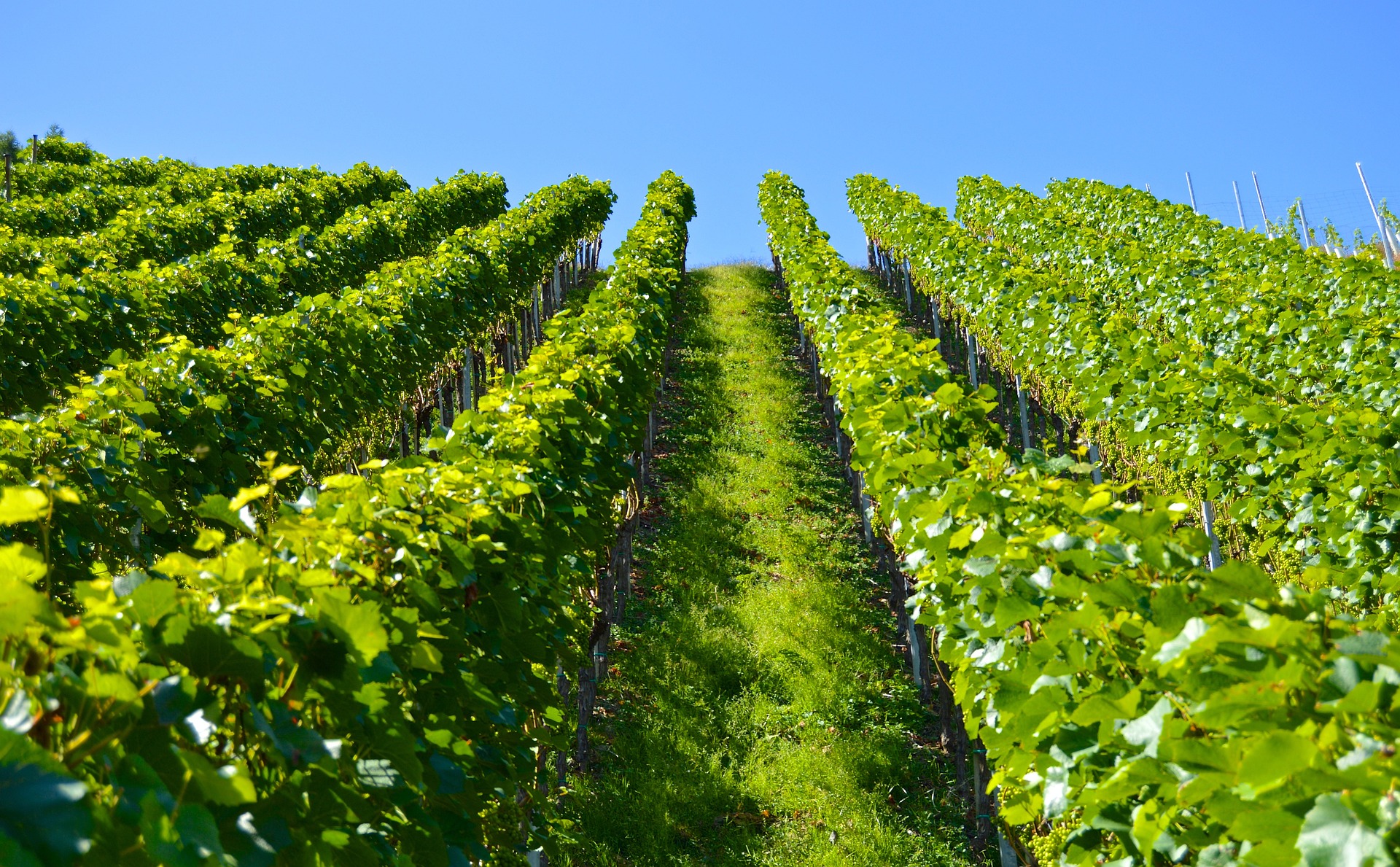
If Turkish red wine is the bold headline, Turkish white wine is the story that surprises you. Most people come to Turkish wine expecting reds, the big Öküzgözü blends, the tannic Boğazkere. But the whites are where Turkey's winemaking renaissance may be producing its most distinctive and exciting results.
Here's why: Turkey's white grapes are genuinely unlike anything else in the world. Narince delivers an aromatic complexity and textural richness that doesn't map neatly onto any international variety. Emir, grown in volcanic Cappadocian soils at over 1,000 meters elevation, produces whites of crystalline minerality that rival the best Assyrtiko or Chablis. And behind those two, a roster of lesser-known varieties, including Sultaniye, Bornova Misketi, and others, are producing wines that are starting to turn heads among sommeliers and wine writers globally.
This is your complete guide to Turkish white wine: the grapes, the regions, the styles, the food pairings, and the bottles to try.
The Major Turkish White Grapes
Turkey's white grape portfolio is anchored by two stars, Narince and Emir, supported by a fascinating cast of secondary varieties that are increasingly gaining recognition.
Narince: The Flagship
Pronunciation: nah-rin-JEH | Meaning: "Delicate" | Full profile: Narince
Narince is Turkey's most important white wine grape, and arguably the variety with the greatest potential to build Turkey's international reputation. The name means "delicate" in Turkish, but the wine itself is anything but demure. Narince produces medium to full-bodied whites of remarkable aromatic complexity: pineapple, lime zest, citrus blossom, and stone fruit on the nose, with pear, quince, nectarine, and sometimes tropical notes on the palate.
What sets Narince apart from many international white varieties is its phenolic character. The grape has a natural tendency toward skin contact and textural weight, which gives the wine a grip and structure you don't typically find in white wine. It's not heavy or oxidative; it's more like the difference between a watercolor and an oil painting. There's substance underneath the aromatics.
Narince's traditional home is Tokat province in north-central Turkey, where the grape has been cultivated for centuries. The region's moderate continental climate, with warm days, cool nights, and ample sunshine, is ideal for developing the grape's aromatic potential while retaining balancing acidity.
But Narince also thrives in other regions. The Hanchalar Narince from Erdel Winery comes from vineyards in the Çal highlands of Denizli province, where the high altitude (800-1,000 meters) provides the temperature variation that keeps the wine fresh and vibrant.
If you like: Viognier, Albariño, richer Chardonnay, white Rhône blends, or textured Pinot Gris, Narince will resonate with you.
Emir: The Mineral King
Pronunciation: eh-MEER | Meaning: A title of nobility or command | Full profile: Emir
If Narince is the warm, generous host, Emir is the sharp, precise intellect. This grape, grown almost exclusively in and around Cappadocia in central Turkey, produces whites of startling mineral focus: lime, green apple, wet stone, and a bracing acidity that practically demands seafood.
Emir's character is inseparable from its terroir. Cappadocia's landscape was shaped by ancient volcanic eruptions, and the soils (tuff, volcanic ash, and pumice) give Emir a stony, flinty mineral signature that is unlike any other white grape variety. The vineyards sit at elevations of 1,000-1,200 meters, where the extreme temperature swings between day and night preserve the grape's naturally high acidity.
The comparison to Assyrtiko from Santorini is apt and instructive. Both grapes thrive in volcanic soils at significant altitude. Both produce wines of mineral purity and electric acidity. Both are profoundly connected to their place of origin. But Emir has its own voice, slightly leaner than Assyrtiko, with a greener, more citrus-driven profile and a finish that can be almost saline.
Emir is also one of the world's great aperitif wines. Served well-chilled on a warm evening, it's bracingly refreshing, the kind of wine that makes you want another glass before you've finished the first.
If you like: Chablis, Assyrtiko, Muscadet, Vermentino, Picpoul de Pinet, Emir belongs in your rotation.
Sultaniye: The Ancient Workhorse
Pronunciation: sool-tah-NEE-yeh | Meaning: Related to "sultan" | Full profile: Sultaniye
Sultaniye is Turkey's most widely planted white grape variety by acreage, but here's the twist: the overwhelming majority of Sultaniye is grown for table grapes and raisins, not wine. What the Turks call Sultaniye is known to the rest of the world as Thompson Seedless or Sultana, the grape that fills cereal boxes and trail mix bags worldwide.
But when Sultaniye is grown specifically for wine production, with lower yields, careful site selection, and serious winemaking, it can produce surprisingly attractive whites. The style is typically light-bodied and refreshing, with citrus, green apple, and floral notes. It won't have the depth or complexity of Narince or Emir, but as a crisp, easy-drinking everyday white, well-made Sultaniye has genuine charm.
The grape's future as a serious wine variety is still being written. A few Turkish winemakers are experimenting with skin-contact and amphora-aged Sultaniye, producing wines that challenge the assumption that this is a "simple" grape.
If you like: Pinot Grigio, Trebbiano, light Sauvignon Blanc, Sultaniye occupies similar easy-drinking territory.
Bornova Misketi: The Aromatic Jewel
Pronunciation: bor-NO-vah mis-KET-ee | Meaning: "Muscat of Bornova" | Full profile: Bornova Misketi
Bornova Misketi is the Aegean region's aromatic treasure, a Muscat-family grape that produces wines of intoxicating floral perfume. Rose petal, orange blossom, lychee, apricot, and honey on the nose; stone fruit and citrus on the palate, with enough acidity to keep things fresh and focused.
Named after the Bornova district of İzmir, this grape has been cultivated on Turkey's Aegean coast for centuries. It is related to the broader Muscat family but has developed its own distinct character in the warm, maritime-influenced climate of western Turkey.
Bornova Misketi can be made in several styles: as a dry, aromatic white (similar to dry Muscat from Alsace); as an off-dry or lightly sweet wine (like Moscato d'Asti); or as a late-harvest dessert wine. The best examples balance the grape's naturally exuberant aromatics with enough acidity to prevent the wine from becoming cloying.
This is a grape that rewards adventurous drinkers and aromatics lovers. If you've ever wished that Gewürztraminer were a bit less heavy, or that Muscat were a bit more complex, Bornova Misketi might be exactly what you're looking for.
If you like: Moscato d'Asti, dry Muscat, Gewürztraminer, Torrontés, Bornova Misketi will delight you.
The Key White Wine Regions
Turkish white wine quality is intimately connected to geography. Three regions stand out as the most important for white wine production.
Tokat: Narince's Homeland
Key grape: Narince | Climate: Moderate continental
Tokat province, in north-central Turkey, is where Narince reaches its fullest expression. The region sits in a fertile valley flanked by mountains, with a climate that provides the warmth needed for aromatic development and the cool nights necessary for preserving acidity.
Tokat has been a center of Turkish winemaking for centuries, and the Narince vines here, many of them old, have deep roots in soils that contribute to the grape's characteristic mineral undertones. If Narince is Turkey's Chardonnay, Tokat is its Burgundy: the place where the grape and the land have had the longest conversation.
While Tokat remains the reference point for Narince, the grape is successfully grown in several other regions, including the Çal highlands, proving its adaptability and resilience.
Cappadocia: Emir's Volcanic Canvas
Key grape: Emir | Region profile: Cappadocia | Climate: High-altitude continental
Cappadocia is one of the world's most visually spectacular wine regions. The landscape of fairy chimneys, cave dwellings, and eroded volcanic formations is a UNESCO World Heritage Site and a major tourist destination. But for wine lovers, the real interest lies beneath the surface: in the volcanic soils that give Emir its extraordinary mineral character.
The vineyards of Cappadocia sit at 1,000-1,200 meters elevation, among the highest commercial vineyards in Turkey. The volcanic tuff and ash soils provide excellent drainage, reflecting heat upward during the day while the altitude ensures sharp temperature drops at night. This combination of heat and cold, volcanic soil and altitude, creates the conditions for a white wine of unusual intensity and precision.
Historically, Cappadocian wine was made in cave cellars carved into the soft volcanic rock, natural temperature-controlled environments that were used for both fermentation and aging. Some producers continue this tradition today.
HUS Winery in Urla sources its Emir from Cappadocian vineyards in the Nevşehir and Kayseri provinces, handling the grape with minimal intervention to preserve its crystalline character. The result, wines like the HUS Emir 2022 and HUS Emir 2024, showcases just how distinctive volcanic-terroir whites can be.
The Aegean Coast: Mediterranean Whites
Key grapes: Bornova Misketi, Sultaniye, international varieties | Region profile: Aegean | Climate: Mediterranean
Turkey's Aegean coast, particularly the area around İzmir, the Urla peninsula, and the broader western Turkish coastline, produces white wines of a distinctly Mediterranean character. The climate is warm and sunny, moderated by sea breezes that keep temperatures from becoming extreme. The proximity to the Aegean Sea creates a viticultural environment similar to parts of coastal Greece, southern France, or the Adriatic coast of Italy.
Bornova Misketi is the star indigenous white grape here, producing aromatic whites of real charm and complexity. But the Aegean also excels with international varieties; Sauvignon Blanc, Chardonnay, and Viognier all perform well in this maritime climate.
What makes the Aegean region special for white wine is the combination of warmth (which develops flavor and aromatics) and maritime freshness (which preserves acidity and drinkability). The best Aegean whites are generous but not flabby, aromatic but not heavy. They're built for the region's seafood-centric cuisine and the long, leisurely lunches that define Aegean life.
Mozaik Winery in Urla produces the Mahrem Derya, a white wine whose name means "sea," that captures the coastal essence of this region beautifully.
Styles of Turkish White Wine
Turkish whites span a wider range of styles than most people expect. Here's a guide to what's available.
Crisp and Mineral
Grapes: Emir, Sultaniye Comparable to: Chablis, Assyrtiko, Muscadet, Vermentino Serve at: 42-48°F, well chilled Best for: Aperitifs, seafood, sushi, oysters, ceviche, hot weather
These are Turkey's most refreshing whites: lean, focused, driven by acidity and mineral character rather than fruit sweetness. Emir is the star of this category, but well-made Sultaniye can also deliver genuine crispness and refreshment. These wines are at their best ice-cold on a warm day or alongside the freshest possible seafood.
Aromatic and Textured
Grapes: Narince Comparable to: Viognier, Albariño, richer Chardonnay, white Rhône Serve at: 46-52°F, moderately chilled Best for: Richer seafood, poultry, cream sauces, meze, charcuterie
Narince occupies a sweet spot in the white wine spectrum: aromatic enough to be captivating, textured enough to be satisfying, but never heavy or overblown. These are wines that work beautifully at the table, with enough body to stand up to richer dishes and enough freshness to remain lively across a long meal. Don't over-chill Narince; if it's too cold, you'll lose the aromatics that make it special.
Floral and Perfumed
Grapes: Bornova Misketi Comparable to: Moscato, dry Muscat, Gewürztraminer, Torrontés Serve at: 44-48°F, well chilled Best for: Appetizers, Asian cuisine, spicy food, fresh fruit, light desserts
The Muscat-family wines of the Aegean coast are Turkey's most aromatically exuberant whites. Rose petal, orange blossom, lychee. These wines announce themselves from across the room. In dry versions, the floral perfume is balanced by citrus acidity and a clean finish. In off-dry versions, a touch of residual sweetness makes them outstanding partners for spicy food, where the sweetness cools the heat.
Skin-Contact and Amphora
Grapes: Various Comparable to: Orange wine, Georgian amber wine Serve at: 50-55°F, slightly cool Best for: Adventurous drinkers, natural wine fans, rich Mediterranean food
A small but growing number of Turkish winemakers are producing skin-contact (orange) wines and amphora-aged whites. These wines, made by fermenting white grapes in contact with their skins and sometimes in traditional clay vessels, have deeper color, more tannin, and a savory, textural quality that sets them apart from conventional whites. Given Turkey's proximity to Georgia (the birthplace of amphora winemaking) and its own history of clay-vessel fermentation, this isn't a trend; it's a return to tradition.
Food Pairings for Turkish White Wine
Turkish white wines were born alongside Turkish cuisine, and the pairings are instinctive and deeply rewarding.
Classic Turkish Pairings
- Grilled sea bass (levrek) + Narince: The definitive match. Narince's aromatic richness and textural complexity complement the delicate, charred fish perfectly.
- Cold meze spread + Emir: The sharp acidity and mineral freshness of Emir cuts through hummus, babaganoush, stuffed grape leaves, and white bean salad. This is aperitif territory.
- Shrimp güveç (casserole) + Narince: The wine's body and phenolic texture stand up to the tomato, pepper, and cheese in this traditional Turkish seafood dish.
- Börek (savory pastry) + Emir or Sultaniye: The crisp, flaky pastry filled with cheese or spinach wants a wine with acidity and freshness to balance the richness.
- Lahmacun (Turkish pizza) + Emir: The mineral, citrus-driven wine provides a refreshing counterpoint to the spiced lamb and herbs.
International Pairings
- Sushi and sashimi + Emir: The wine's lime-green apple profile and bracing acidity make it a natural sushi companion, arguably better than the Champagne or Sauvignon Blanc you might usually reach for.
- Roast chicken + Narince: The white wine equivalent of a perfect match. Narince has the body to stand up to the richness of roast poultry and the aromatics to complement herb seasonings.
- Shrimp scampi + Narince: Butter, garlic, white wine, shrimp. Narince loves all of it.
- Caesar salad + Emir: The salty, umami-rich dressing meets Emir's acidity and mineral crunch.
- Pad Thai or green curry + Bornova Misketi: The floral, slightly sweet character of Bornova Misketi cools the heat of Thai spice, just like Riesling or Gewürz would.
- Fresh goat cheese + Emir: The tangy cheese and the tangy wine are a match of mutual admiration.
- Lobster or crab + Narince: The wine's textural weight handles shellfish richness without being overwhelmed.
For our complete guide to wine and food pairing, visit the food pairing page.
Ruby Imports Turkish Whites: What to Try
Here are the Turkish white wines currently available through Ruby Imports.
Hanchalar Narince 2022 - Erdel Winery
Grape: Narince | Region: Çal, Denizli
Our flagship white and the bottle we reach for first when introducing someone to Turkish wine. Bright pineapple, lime zest, and citrus blossom on the nose. Pear, quince, and nectarine on the palate with a phenolic texture that gives the wine real presence. This is a white wine with the complexity of a red; it rewards attention and pairs with an enormous range of food.
Pair with: Grilled sea bass, roast chicken, shrimp scampi, meze spreads, pasta with cream sauce Style: Medium-full body, aromatic, textured
HUS Emir 2022 - HUS Winery
Grape: Emir | Region: Cappadocia (sourced)
The older vintage of HUS's Cappadocian Emir, showing a little more development and integration than the 2024, with the volcanic mineral core and green citrus character fully expressed. Lime, green apple, wet stone, and a finish that goes on and on. This is a wine of real precision and purity.
Pair with: Oysters, sushi, ceviche, fresh goat cheese, cold meze Style: Light-medium body, mineral, crisp
HUS Emir 2024 - HUS Winery
Grape: Emir | Region: Cappadocia (sourced)
The current release is vibrant, youthful, and electric. Even more bracing than the 2022, with pronounced lime and green apple, razor-sharp acidity, and a mineral intensity that practically vibrates. This is Emir at its most immediate and energetic. Drink it ice-cold as an aperitif or alongside the freshest seafood you can find.
Pair with: Oysters, sushi, ceviche, light salads, aperitif Style: Light body, mineral, bracing acidity
Mahrem Derya 2019 - Mozaik Winery
Region: Aegean (Urla)
"Derya" means "sea" in Turkish, and this coastal white captures the spirit of the Aegean. Floral aromas give way to green apple and apricot on the palate, with a saline undertone that whispers of the nearby Mediterranean. This is a wine built for the table, specifically a table covered with grilled fish, octopus, olives, and good bread. It's the kind of wine that makes a simple lunch feel like a celebration.
Pair with: Grilled fish, shellfish, octopus, olive-oil-based dishes, white fish crudo Style: Medium body, floral, saline
Browse all of our wines at our wines page.
How to Serve Turkish White Wine
Getting the most out of Turkish whites requires a little attention to temperature and glassware.
Temperature is critical. Over-chilling white wine suppresses aromatics, and Turkish whites, especially Narince, have aromatics worth preserving. Serve Emir and Sultaniye well-chilled (42-48°F), but let Narince warm up a bit more (46-52°F) to allow its aromatic complexity to shine. Bornova Misketi should be well-chilled to keep its floral exuberance in check.
Glassware. A standard white wine glass works for Emir and Sultaniye. For Narince, consider a wider-bowled glass (like a Burgundy white wine glass) that gives the aromatics more room to develop. The textural, richer character of Narince benefits from a glass shape that lets you appreciate both the nose and the palate fully.
Don't age most Turkish whites too long. Emir and Sultaniye are at their best within 1-3 years of vintage; they're about freshness and immediacy. Narince has more aging potential (3-5 years for most bottlings), and some premium Narince cuvées can develop beautifully over longer periods. But in general, drink Turkish whites young and fresh.
Decanting whites? Usually not necessary, but if you have an older Narince (4+ years), pouring it into a carafe and letting it breathe for 15-20 minutes can help it open up and show its full complexity.
Why Turkish White Wine Matters
There's a larger story here that goes beyond the individual grapes and bottles.
Turkish white wine matters because it represents genuine diversity in a wine world that sorely needs it. For decades, the global white wine market has been dominated by a handful of international varieties: Chardonnay, Sauvignon Blanc, Pinot Grigio, Riesling. These are great grapes, but they are grown everywhere, and the resulting wines can start to feel interchangeable.
Narince is not interchangeable with anything. Neither is Emir. Neither is Bornova Misketi. These grapes produce wines that taste like specific places and specific traditions. They offer flavors and textures that simply don't exist elsewhere in the wine world. That's not a marketing claim; it's a botanical fact.
As wine drinkers increasingly seek out authenticity, originality, and terroir expression, Turkish whites are positioned to become some of the most talked-about wines on the planet. The combination of unique grapes, distinctive terroirs, talented winemakers, and extraordinary value makes this one of the most compelling categories in wine.
The sommeliers know it. The wine writers who have visited Turkey know it. The question is when the broader drinking public catches on. Our bet is: soon.
Start exploring Turkish whites through our wine collection, learn more about the grapes in our variety profiles, or read the full backstory in our Definitive Guide to Turkish Wine.
Ruby Imports is a Black woman-owned wine import company founded by Lisa and Alexis Richmond. We specialize exclusively in premium Turkish wines, bringing 7,000 years of winemaking heritage to America one bottle at a time.