A Beginner's Guide to Turkish Wine
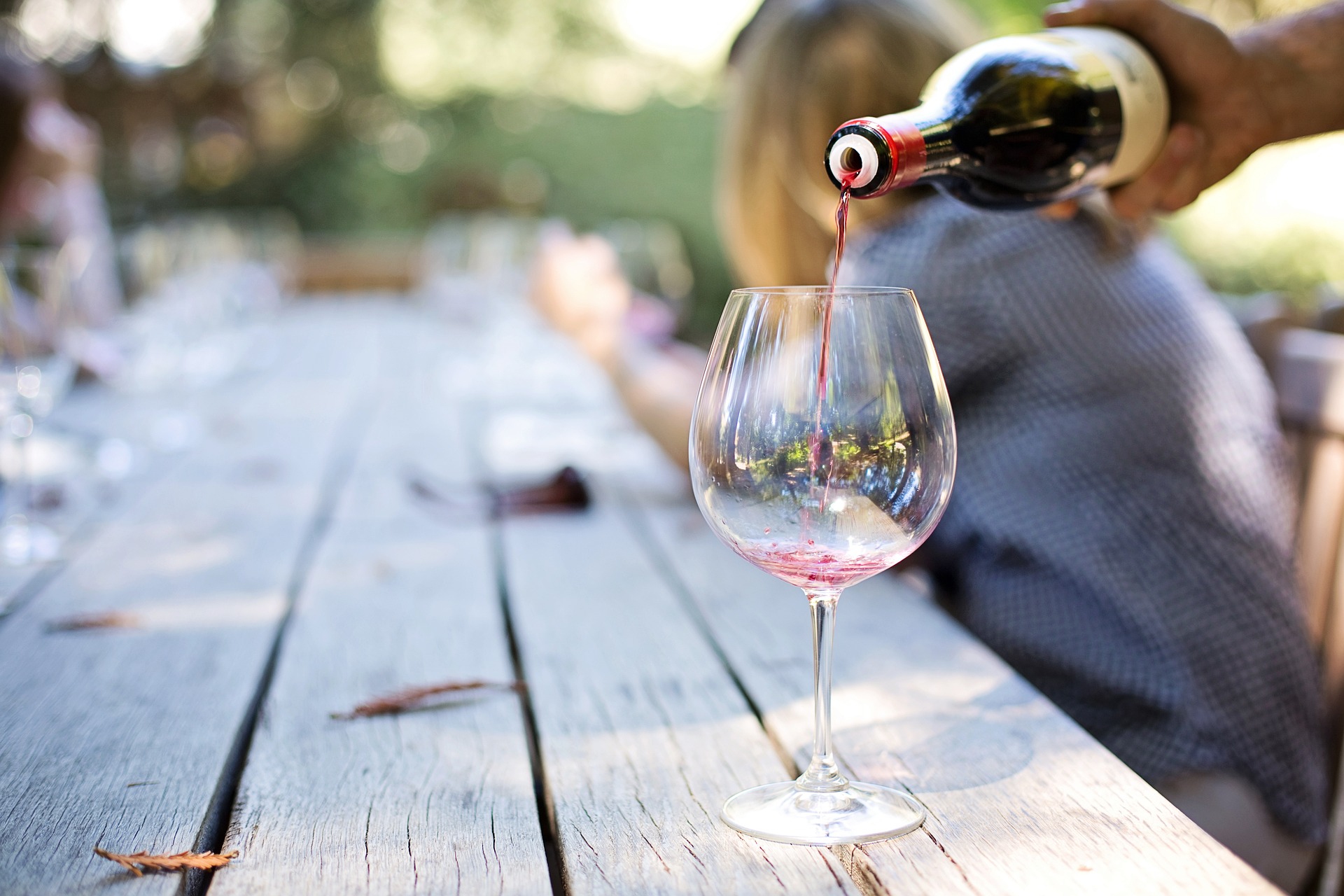
You just saw "Turkish wine" on a menu. Or someone handed you a glass at a dinner party. Or maybe you stumbled onto this page because you're curious. Whatever brought you here, you're in the right place. This is the guide we wish someone had given us when we first discovered Turkish wine: no pretension, no wine-snob vocabulary, just the stuff you actually need to know to start exploring.
Why Try Turkish Wine in the First Place?
Let's start with the obvious question: why should you care about Turkish wine when there are already more French, Italian, and California bottles than any person could try in a lifetime?
Three reasons.
It tastes like nothing else. Turkish wine is made from indigenous grape varieties, grapes that grow in Turkey and essentially nowhere else. When you taste a glass of Narince or Öküzgözü, you're experiencing flavors that don't have an equivalent in other wine regions. It's not trying to be Chardonnay or Cabernet. It's its own thing, shaped by thousands of years of evolution in Turkish soil.
The value is extraordinary. Because Turkish wine is still relatively unknown outside of Turkey, the pricing hasn't caught up with the quality. You can get genuinely complex, beautifully made wines for $18-30 that would cost two or three times as much if they came from France or Napa Valley. This is one of those rare windows where the quality curve is ahead of the price curve.
It has the best backstory in wine. Turkey sits in the region where winemaking began, roughly 7,000 years ago. The country has over 400,000 hectares of vineyard land (more than the United States) and is home to an estimated 600 to 1,200 indigenous grape varieties. This isn't a new wine country finding its feet. This is one of the oldest wine cultures in the world, finally sharing its wines with the rest of us.
For a deeper look at the history and scope of Turkish winemaking, check out our Definitive Guide to Turkish Wine.
What Does Turkish Wine Actually Taste Like?
This depends entirely on the grape and region, but here are some broad strokes to set your expectations.
Turkish Whites
Turkish white wines tend to be richer and more textured than you might expect. The star white grape, Narince, produces wines with bright citrus and tropical fruit (pineapple, lime, nectarine) but with a phenolic weight that gives the wine genuine body. It's not thin or austere. Another major white grape, Emir, goes in the opposite direction: razor-sharp acidity, green apple, mineral precision. If Narince is the warm handshake, Emir is the cool, elegant nod.
If you like Viognier, Albariño, or richer Chardonnay, start with Narince. If you're a Chablis or Assyrtiko person, go for Emir.
Turkish Reds
Turkish reds range from light and elegant to dark and tannic. Kalecik Karası is often compared to Pinot Noir: delicate red fruit, silky texture, approachable tannins. Öküzgözü sits in the middle, with generous dark cherry, warm spice, medium body. Think Grenache or Tempranillo territory. And then there's Boğazkere, the "Throat Burner," which produces deeply tannic, age-worthy wines that stand alongside Barolo and Nebbiolo.
Çal Karası, another indigenous red, is Turkey's answer to Beaujolais: light-bodied, charming, with bright red fruit and gentle tannins.
Turkish Rosé
Turkish rosé is a genuine delight. Made from grapes like Kalecik Karası, it tends to be dry, aromatic, and complex, closer to serious Provence rosé than to the sweet pink wine you might be picturing. Cherry, raspberry, fresh fig: it's bright, refreshing, and a great entry point for anyone nervous about trying something unfamiliar.
Your First Five Bottles: Where to Start
We could give you a long list, but that's not actually helpful when you're starting out. Here are five specific bottles from the Ruby Imports portfolio that we recommend as a first exploration. Think of this as a tasting curriculum; each wine teaches you something different about Turkish wine.
Bottle 1: Hanchalar Narince 2022 (White)
Producer: Erdel Winery | Region: Çal, Denizli | Grape: Narince
This is the bottle we hand to every person who asks "where do I start with Turkish wine?" The Hanchalar Narince opens with bright aromas of pineapple, lime zest, and citrus blossom. On the palate, you get pear, quince, and nectarine, with a textural complexity that keeps you coming back to the glass. It's generous without being heavy, and it pairs beautifully with seafood, chicken, pasta, or a spread of appetizers.
What it teaches you: This is your introduction to Narince, Turkey's flagship white grape. Once you taste it, you'll understand why it's considered one of the Mediterranean's great undiscovered varieties.
Bottle 2: HUS Emir 2022 (White)
Producer: HUS Winery | Region: Cappadocia (sourced) | Grape: Emir
Now taste the other end of the Turkish white wine spectrum. Emir, grown in Cappadocia's volcanic soils at elevations above 1,000 meters, produces wines of bracing acidity and stony mineral character. Green apple, lime, wet stone. This is a wine that demands seafood (oysters, sushi, ceviche) or works beautifully on its own as an aperitif.
What it teaches you: Turkey's white wine range is wider than you thought. Narince and Emir are like two completely different philosophies of winemaking, both outstanding.
Bottle 3: Hanchalar Öküzgözü-Syrah 2023 (Red)
Producer: Erdel Winery | Region: Çal, Denizli | Grapes: Öküzgözü, Syrah
This is the gateway red. Öküzgözü delivers dark cherry and blackberry fruit, while the Syrah component adds structure, pepper, and smokiness. It's medium to full-bodied, approachable, and incredibly food-friendly. This is the wine that goes with lamb kebabs, grilled steak, pizza, pasta, or a charcuterie board.
What it teaches you: Öküzgözü is Turkey's most important red grape, and this blend shows you how it can be both distinctly Turkish and instantly enjoyable for anyone who likes reds from the Rhône or Spain.
Bottle 4: Hanchalar Çal Karası 2020 (Red)
Producer: Erdel Winery | Region: Çal, Denizli | Grape: Çal Karası
Shift gears completely. Çal Karası is light-ruby, delicate, and almost Burgundian in its elegance. Red fruit, gentle tannins, a silky finish. This grape exists only in the high-altitude vineyards around the town of Çal in Denizli province; you literally cannot find it anywhere else in the world. Pair it with soft cheese, poultry, mushroom dishes, or a picnic.
What it teaches you: Turkish wine isn't all bold and tannic. Çal Karası shows you the lighter, more graceful side of Turkey's red wine spectrum.
Bottle 5: Hanchalar Kalecik Karası Rosé 2021
Producer: Erdel Winery | Region: Çal, Denizli | Grape: Kalecik Karası
Finish your introduction with this dry, aromatic rosé. Cherry, raspberry, and fresh fig on the nose. On the palate, it's crisp and lingering, with enough complexity to keep a wine lover interested and enough freshness to please anyone who just wants something delicious on a warm evening.
What it teaches you: Turkish rosé is seriously good, and Kalecik Karası, often called Turkey's Pinot Noir, is the grape that makes it.
Browse all of these and more on our wines page.
How to Pronounce the Grapes
This is the part that intimidates people, so let's take it off the table right now. Turkish pronunciation is actually very consistent; every letter makes the same sound every time, unlike English.
Here are the major grapes with phonetic guides:
- Öküzgözü - oh-KOOZ-guh-ZOO (means "eye of the ox")
- Boğazkere - bo-AZ-keh-REH (means "throat burner")
- Kalecik Karası - kah-leh-JIK kah-rah-SUH (named after the town of Kalecik)
- Narince - nah-rin-JEH (means "delicate")
- Emir - eh-MEER (a title of nobility)
- Çal Karası - CHAL kah-rah-SUH (Çal is the town; karası means "black of")
- Sultaniye - sool-tah-NEE-yeh (related to "sultan")
A few Turkish pronunciation rules that help with everything:
- ö sounds like the "u" in "burn"
- ü sounds like the "ew" in "few"
- ç is always "ch" as in "church"
- ş is always "sh" as in "ship"
- ğ (soft g) is nearly silent; it lengthens the vowel before it
- c is always "j" as in "jam"
- ı (undotted i) sounds like the "u" in "fun"
Don't worry about getting it perfect. The fact that you're trying will impress any sommelier or wine shop owner. And honestly, most of the time you can just point at the label and say "I'd like to try this one."
For the complete guide to Turkish wine terminology, visit our glossary.
How to Order Turkish Wine at a Restaurant
Turkish wine is showing up on more and more restaurant wine lists in the United States, particularly at Mediterranean, Middle Eastern, and fine dining restaurants. Here's how to navigate the experience.
Ask the sommelier. If the restaurant has one, ask what Turkish wines they carry. This does two things: it tells you what's available, and it signals to the restaurant that there's demand for Turkish wine. Sommeliers love being asked about the less-obvious sections of their list.
Look for the grapes, not the region. Unlike French or Italian wine, Turkish wine is usually labeled by grape variety rather than region. So you'll see "Öküzgözü" or "Narince" on the label, which actually makes it easier once you know the grape names.
Use international reference points. If you're ordering for a table and need to explain what you're pouring, here are some quick comparisons:
- "Narince is like a rich, aromatic white, think Viognier with more minerality"
- "Emir is Turkey's answer to Chablis or Assyrtiko"
- "Öküzgözü is in the Grenache-Tempranillo family, fruit-forward, medium body"
- "Kalecik Karası is basically Turkish Pinot Noir"
These aren't exact parallels, but they give people a starting point.
Start with a glass if possible. If the restaurant pours Turkish wine by the glass, take advantage of that. It's a low-risk way to explore before committing to a bottle.
Check our where to buy page for restaurants and retailers currently carrying Ruby Imports wines.
Common Questions Beginners Ask
Is Turkish wine sweet? Not the wines you'll find from serious producers. The wines in the Ruby Imports portfolio are all dry or off-dry. Turkey does produce some sweet wines (particularly from Sultaniye grapes), but the overwhelming trend in modern Turkish winemaking is toward dry, food-friendly wines.
Is Turkish wine organic or natural? Some of it is. Many Turkish vineyards are de facto organic because the grapes come from old, rural vineyards where chemical intervention was never common. A growing number of producers are pursuing organic certification or natural winemaking practices. It varies by producer.
Can Turkish wine age? Absolutely. Tannic reds made from Boğazkere or aged blends can develop beautifully over 5-15 years. Our Mahrem Petit Verdot-Rebo 2014 is proof: over a decade old and drinking magnificently. That said, most Turkish whites and lighter reds are meant to be enjoyed young, within 2-5 years of vintage.
How should I serve Turkish wine? Same general rules as any wine. Whites chilled (about 45-50°F), reds at cool room temperature (60-65°F). Rosé well chilled. Give bigger reds like Öküzgözü blends 15-20 minutes of air after opening; they open up nicely.
Where can I buy Turkish wine? The selection in the United States is growing but still limited. Ruby Imports works with retailers and restaurants in several states. Check our where to buy page for current availability, or contact us directly for help finding a bottle near you.
What to Explore Next
Once you've tasted your first few Turkish wines and figured out which styles you prefer, the world opens up. Here are some paths to go deeper:
- Learn the grapes: Our grape variety profiles cover every major indigenous Turkish variety, with tasting notes, pronunciation, and food pairings.
- Explore the regions: From volcanic Cappadocia to the Aegean coast, each of Turkey's wine regions has its own character. Our regions guide covers them all.
- Master the pairings: Turkish wine and food were born together. Our food pairing guide shows you which wines work with which dishes, from classic Turkish cuisine to everyday American meals.
- Read the full story: Our Definitive Guide to Turkish Wine covers 7,000 years of history, the modern renaissance, and everything in between.
The best part about getting into Turkish wine right now is that you're genuinely early. The quality is already world-class, the prices are still reasonable, and the community of people who know and love these wines is passionate and welcoming. You're not late to a trend; you're at the beginning of one.
Welcome. We're glad you're here.
Ruby Imports is a Black woman-owned wine import company founded by Lisa and Alexis Richmond. We specialize exclusively in premium Turkish wines, bringing 7,000 years of winemaking heritage to America one bottle at a time.