Why Turkey Is the World's Most Underrated Wine Country
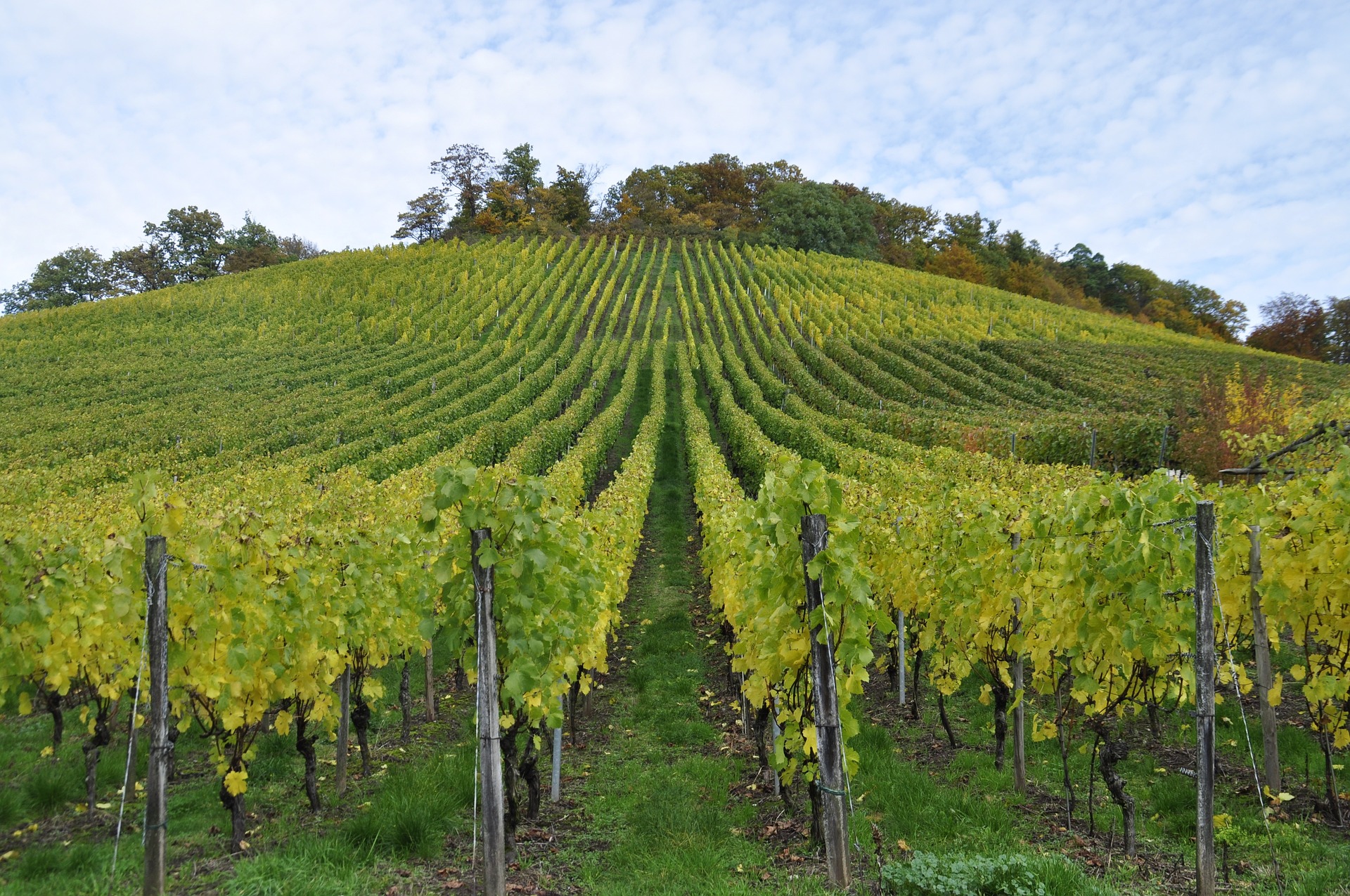
Here is a country with the fifth-largest vineyard area in the world. A country with more indigenous grape varieties than France, Italy, and Spain combined. A country where people have been making wine for seven thousand years, longer than almost anywhere else on the planet. And yet, if you walked into the average American wine shop and asked for a bottle of Turkish wine, you'd probably get a blank stare.
Turkey is, by any reasonable metric, the most underrated wine country in the world. And the gap between its potential and its recognition isn't just wide; it's absurd.
This is our case for why that's about to change.
The Numbers Are Staggering
Let's start with the raw facts, because they genuinely surprise people.
Turkey has approximately 400,000 hectares under vine. That places it behind only Spain, France, Italy, and China in total vineyard area, ahead of the United States, Argentina, Chile, Australia, and every other wine country you can name. The sheer scale of Turkish viticulture is enormous.
The country is home to an estimated 600 to 1,200 indigenous grape varieties, depending on which botanical survey you reference. Of these, roughly 65 are currently used in commercial winemaking. That means there are potentially hundreds of unique grape varieties that haven't even been seriously explored yet. For context, France, the country most people think of when they imagine grape diversity, works with around 200 named varieties, many of which are clones or close relatives.
Turkey's winemaking history stretches back roughly 7,000 years. Archaeological evidence from sites in southeastern Turkey and the broader South Caucasus region points to this area as one of the cradles of viticulture. The wild ancestor of the modern wine grape, Vitis vinifera sylvestris, still grows in Turkish forests.
And yet. Only 2-3% of Turkish grapes are vinified. The vast majority become table fruit, raisins, or pekmez (grape molasses). The amount of winemaking potential that remains untapped is, frankly, staggering.
What's Actually Holding Turkey Back?
If Turkey has all these advantages (the land, the grapes, the history) why isn't it already one of the world's great wine nations in the public consciousness? The answer involves history, politics, economics, and timing.
The Ottoman Centuries
For over 600 years, the Ottoman Empire governed Turkey and much of the surrounding region. While the Ottomans didn't ban wine outright, wine production was largely delegated to non-Muslim minority communities: Greek, Armenian, and Jewish populations who maintained winemaking traditions within their own communities. The Ottoman court and broader Muslim society generally discouraged alcohol consumption, which meant that wine never developed the cultural centrality it held in France or Italy.
When the Ottoman Empire collapsed and the Turkish Republic was founded in 1923, Mustafa Kemal Atatürk actually encouraged wine production as part of his modernization agenda. He established state-run wineries and saw wine as a symbol of Turkey's westward orientation. But the cultural distance between Turkey and wine, centuries in the making, couldn't be reversed overnight.
The State Monopoly Era
From the 1920s through the early 2000s, Turkish wine production was dominated by Tekel, the state-owned alcohol and tobacco monopoly. Tekel prioritized volume and tax revenue over quality, producing large quantities of unremarkable wine that did nothing to build Turkey's international reputation. The handful of private producers who existed during this period, companies like Kavaklıdere and Doluca, were exceptions in a landscape defined by mediocrity.
It wasn't until Tekel was privatized starting in 2003 that the regulatory environment opened up for small, quality-focused wineries. The modern Turkish wine renaissance is barely twenty years old.
Tax and Regulatory Burdens
Turkey imposes some of the highest taxes on alcohol in the world. Successive governments have raised excise duties sharply, making wine expensive on the domestic market relative to other beverages. Advertising restrictions further limit how Turkish wineries can promote their products. These economic headwinds have slowed the growth of wine culture within Turkey itself.
The Export Gap
Until very recently, almost all Turkish wine was consumed domestically. The infrastructure for exporting Turkish wine, the relationships with importers, the shelf space at retailers, the presence on restaurant wine lists, is still being built. Companies like Ruby Imports exist precisely because this gap needs to be filled. But we're still in the early innings.
The Quality Revolution Is Real
Despite all these obstacles, something remarkable has happened over the last two decades. A generation of Turkish winemakers, many of them trained at top programs in Bordeaux, Montpellier, Adelaide, and Davis, has returned home and started applying world-class technique to Turkey's extraordinary raw materials.
The results are wines of genuine quality and distinction.
Narince from Tokat province is producing whites of aromatic complexity and textural depth that rival the best Viognier or white Rhône blends. Emir from Cappadocia, grown in volcanic soils at elevations above 1,000 meters, creates mineral-driven whites that can stand alongside Assyrtiko from Santorini or top Chablis.
Öküzgözü from Eastern Anatolia, Turkey's most planted red wine grape, delivers generous dark fruit and warm spice in a style that appeals to fans of Grenache and Tempranillo, but with a character that is unmistakably its own. And Boğazkere, the mighty "Throat Burner" from the Euphrates valley, produces tannic, age-worthy reds that have drawn comparisons to Barolo and Tannat.
These aren't novelty wines or curiosities. They are serious, well-made wines from unique terroirs, crafted by talented people. And they are available at prices that make equivalent wines from established regions look overpriced.
The Underdog Playbook: Lessons from New Zealand and Argentina
Turkey isn't the first great wine country to be overlooked. History offers some instructive parallels.
New Zealand in the 1990s
In 1990, if you told someone that New Zealand would become one of the world's most respected wine countries, they would have laughed. The country had a tiny wine industry, limited exports, and no international reputation. Then Cloudy Bay released its Sauvignon Blanc, and everything changed.
What happened next was rapid: international recognition, exploding demand, significant price increases, and the establishment of New Zealand as a premium wine origin. The entire arc, from unknown to globally sought-after, took roughly 15 years.
Today, New Zealand Sauvignon Blanc is a staple on wine lists worldwide, and Pinot Noir from Central Otago commands premium prices. The country leveraged a distinctive grape-region combination (Sauvignon Blanc from Marlborough) into a global brand.
Turkey has at least a dozen grape-region combinations with the same potential. Narince from Tokat. Emir from Cappadocia. Öküzgözü from Elazığ. Çal Karası from Denizli. The raw material is there.
Argentina in the 2000s
Argentina's wine story shares even more with Turkey. Like Turkey, Argentina had vast vineyard acreage but was known primarily for cheap, bulk wine. Like Turkey, Argentina had a signature indigenous grape (Malbec, originally from France but essentially reinvented in Mendoza) that was underappreciated internationally. And like Turkey, Argentina had a generation of talented winemakers who were raising quality dramatically.
Argentina's breakthrough came when international importers and critics began championing Malbec as a distinctive, high-quality variety that offered extraordinary value. Within a decade, Argentine Malbec went from obscurity to ubiquity, and Mendoza became one of the world's most recognized wine regions.
The parallels are striking. Turkey has the grapes. Turkey has the winemakers. Turkey has the value proposition. What Turkey needs, and what is beginning to happen right now, is for the international market to pay attention.
What These Examples Tell Us
Both New Zealand and Argentina had three things in common when they broke through:
- A distinctive product that couldn't be easily replicated elsewhere
- A value proposition that made quality accessible
- Passionate advocates (importers, critics, sommeliers) who championed the wines
Turkey checks all three boxes today. The indigenous grapes are genuinely unique. The prices are genuinely compelling. And a growing community of importers, writers, and wine professionals is actively working to bring these wines to a global audience.
The Value Proposition Won't Last Forever
This is the part that should create urgency. Right now, you can buy Turkish wines of real quality and complexity for $15-30 a bottle. Wines that, if they came from Burgundy or Barolo, would cost $50-100 or more.
This pricing reflects the market's current ignorance, not the wines' intrinsic value. As awareness grows, as more sommeliers discover these wines, as more wine writers cover them, as more consumers try them and go back for more, prices will rise. That's not speculation; it's the same pattern that played out with every previously undervalued wine region that eventually got its due.
The people who discover Turkish wine now are getting in at the ground floor. In five or ten years, the same bottles will cost more, and people will talk about how they "wish they'd known about Turkish wine earlier."
What Makes Turkey's Potential Unique
Other underrated wine countries exist (Georgia, Lebanon, Greece) and they all make excellent wine. But Turkey has structural advantages that set it apart.
Scale. Turkey has the vineyard acreage to become a major player, not just a niche curiosity. This is a country that can produce wine in quantity, not just in small artisanal batches.
Grape diversity. No country on earth has more unused indigenous grape potential. The 600+ varieties that exist in Turkish vineyards represent a treasure chest that has barely been opened. Every few years, a Turkish winemaker experiments with a "forgotten" variety and produces something remarkable.
Geographic diversity. Turkey spans multiple climate zones and terroirs, from the continental highlands of Central Anatolia to the Mediterranean Aegean coast to the volcanic landscapes of Cappadocia. This variety of growing conditions means Turkey can produce every style of wine, from crisp high-altitude whites to rich, full-bodied reds.
Cuisine. Turkish cuisine is one of the world's great food traditions, and Turkish wines have evolved alongside it for millennia. The food-friendliness of Turkish wine is not a marketing angle; it's a genetic trait.
Cultural bridge. Turkey sits at the crossroads of Europe and Asia, and its wines reflect that position. They feel simultaneously familiar and exotic to Western palates, accessible enough to enjoy immediately, distinctive enough to reward exploration.
The Wines That Will Lead the Charge
If Turkey's breakthrough follows the pattern of New Zealand or Argentina, it will likely be led by one or two grape varieties that become synonymous with the country.
Our bet is on Öküzgözü for reds and Narince for whites.
Öküzgözü has the widest appeal: fruit-forward, medium-bodied, food-friendly, and immediately enjoyable. It's the grape most likely to become Turkey's Malbec: a variety that introduces international audiences to the category and opens the door for everything else.
Narince has the wow factor: aromatic, textured, and unlike any white wine most people have tasted. It's the kind of grape that sommeliers fall in love with and hand-sell to curious customers.
Behind these two, there's a deep bench: Emir for mineral whites, Boğazkere for age-worthy reds, Kalecik Karası for elegant Pinot-style wines, Çal Karası for the natural wine crowd. The depth of the roster is Turkey's greatest asset.
What Happens Next
We founded Ruby Imports because we believe Turkish wine is on the verge of the same kind of breakthrough that New Zealand experienced in the 1990s and Argentina experienced in the 2000s. The quality is already there. The value is already there. The stories are already there.
What's needed now is exposure. More importers bringing Turkish wine to new markets. More sommeliers putting it on wine lists. More writers covering it. More consumers trying it and telling their friends about it.
That flywheel is starting to turn. Turkish wines are winning medals at Decanter, IWC, and Mundus Vini. Wine journalists who visit Turkey come back as evangelists. Every restaurant that adds a Turkish wine to its list becomes a discovery point for dozens of new fans.
The question isn't whether Turkey will get its moment. The question is when, and whether you'll be among the people who discovered it early.
Explore our wine collection to start your own Turkish wine journey, or dive deeper with our guides to Turkish grape varieties and wine regions. The Definitive Guide to Turkish Wine tells the full story of 7,000 years of winemaking, and the exciting chapter being written right now.
Ruby Imports is a Black woman-owned wine import company founded by Lisa and Alexis Richmond. We specialize exclusively in premium Turkish wines, bringing 7,000 years of winemaking heritage to America one bottle at a time.